
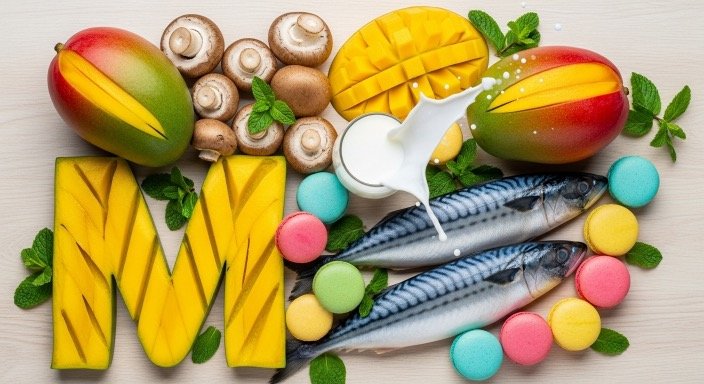
Foods that start with M
The letter M might just be one of the most mouth-watering in the food alphabet. Think about it — mangoes, mushrooms, macaroni, mussels, mozzarella, miso, and mint. Each one brings a burst of flavor, texture, and history to the table.
“Foods that start with M” aren’t just delicious; they span every culture and category — from tropical fruits and hearty grains to luxurious meats and comforting desserts. Whether you’re exploring new recipe ideas or expanding your food vocabulary, this guide gives you a complete look at M-foods around the world.
Harvard T.H. Chan School of Public Health recommends a diverse diet rich in plant-based foods, grains, and lean proteins for long-term health.
Quick-Reference Table: Foods That Start With M
| Category | Foods That Start With M |
| Fruits | Mango, Mandarin, Mulberry, Melon, Mangosteen |
| Vegetables | Mushroom, Mustard Greens, Moringa, Mizuna |
| Grains & Seeds | Millet, Maize (Corn), Malt, Matzo, Muesli |
| Legumes & Beans | Mung Beans, Marrowfat Peas, Mexican Black Beans |
| Nuts & Oils | Macadamia, Mustard Oil, Maize Oil |
| Meats & Poultry | Meatloaf, Mutton, Mortadella, Meatballs |
| Seafood | Mackerel, Mussels, Monkfish, Mahimahi |
| Dairy & Cheese | Mozzarella, Manchego, Mascarpone, Milk |
| Spices & Herbs | Mint, Marjoram, Mustard Seed, Mace |
| Condiments & Sauces | Mayonnaise, Mustard, Marinara Sauce, Mole |
| Beverages | Milkshake, Mocha, Margarita, Matcha Tea |
| International Dishes & Desserts | Macaroni, Muffins, Miso Soup, Macarons, Meringue |
Alphabetical List & Descriptions
1. Macadamia (Nut / Healthy Fat Source)
Native to Australia, macadamia nuts are creamy, rich, and high in heart-healthy monounsaturated fats. Often used in cookies or savory dishes, they provide magnesium, fiber, and antioxidants.
Cleveland Clinic notes that macadamias support cholesterol balance and heart health.
2. Macaroni (Grain / Pasta)
This tubular pasta is a comfort food favorite — whether baked with cheese or used in salads. Macaroni offers carbohydrates for energy and is a base for many global dishes.
3. Macarons (Dessert / Pastry)
A delicate French confection made with almond flour and filled with ganache or buttercream. These colorful treats are crisp on the outside and chewy inside, symbolizing elegance and celebration.
4. Mace (Spice)
Derived from the outer covering of nutmeg seeds, mace has a slightly milder flavor. It’s used in baking, sauces, and spice blends, adding warmth and depth to recipes.
5. Maize (Grain / Staple)
Known as corn in many regions, maize is a staple crop that fuels cuisines worldwide. It’s rich in carbohydrates, fiber, and antioxidants like lutein, which supports eye health.
6. Mango (Fruit / Tropical)
Foods that start with M
Foods that start with M
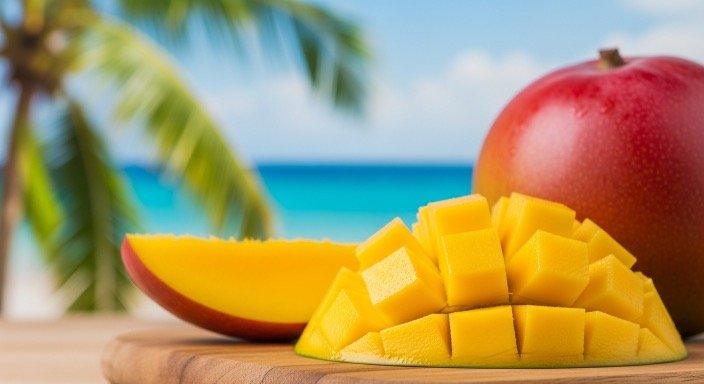
Sweet, juicy, and vitamin-rich, mangoes are celebrated across the tropics. They’re packed with vitamin C, beta-carotene, and antioxidants that support immunity and skin glow.
7. Mangosteen (Fruit / Superfruit)
Often called the “queen of fruits,” mangosteen is prized for its sweet-tart flavor and antioxidant compound — xanthones — known for anti-inflammatory effects.
8. Mandarin (Fruit / Citrus)
A smaller, sweeter cousin of the orange, mandarins are rich in vitamin C and fiber. Perfect for snacking or adding zest to salads and desserts.
9. Margarita (Beverage / Cocktail)
A tangy blend of tequila, lime, and triple sec served with a salted rim. The margarita is one of the world’s most iconic cocktails — refreshing and festive.
10. Marjoram (Herb / Seasoning)
Closely related to oregano but with a gentler flavor, marjoram adds warmth to soups, sauces, and roasted vegetables. It’s known for anti-inflammatory and antibacterial properties.
11. Marinara Sauce (Condiment / Tomato-Based)
A classic Italian sauce made with tomatoes, garlic, herbs, and olive oil. It’s the foundation for countless pasta dishes and pizzas worldwide.
12. Malt (Grain / Beverage Ingredient)
Created by germinating and drying cereal grains (usually barley), malt adds flavor and nutrients to beer, milkshakes, and breakfast cereals.
13. Manchego (Cheese / Dairy)
A Spanish sheep’s milk cheese aged to perfection. Manchego is firm, buttery, and nutty — perfect with crackers, fruit, or red wine.
14. Mango Lassi (Beverage / Yogurt Drink)
A creamy Indian beverage blending yogurt, mango pulp, and a hint of cardamom. Cooling and probiotic-rich, it’s ideal for balancing spicy meals.
15. Mackerel (Seafood / Fish)
A flavorful, oily fish high in omega-3 fatty acids that support brain and heart function. It’s grilled, smoked, or canned for easy meals.
16. Mahimahi (Seafood / Fish)
A lean white fish with a mild taste, commonly found in tropical waters. Rich in protein and selenium, it’s excellent for grilling.
17. Mascarpone (Cheese / Dairy)
A smooth, creamy Italian cheese essential for desserts like tiramisu. It adds a luxurious texture to both sweet and savory dishes.
18. Matzo (Grain / Flatbread)
An unleavened bread used in Jewish cuisine, especially during Passover. Crisp and plain, it symbolizes simplicity and tradition.
19. Mayonnaise (Condiment / Sauce)
A creamy emulsion of oil, egg yolk, and lemon juice or vinegar. It’s a base for countless dressings and dips.
20. Meatballs (Meat / Protein)
Ground meat (beef, lamb, or chicken) rolled with breadcrumbs and herbs, simmered in sauce or grilled. A global comfort food.
21. Meatloaf (Meat / Comfort Dish)
A baked loaf made from minced meat and seasonings, often topped with glaze or ketchup. It’s hearty, nostalgic, and protein-rich.
22. Melon (Fruit / Hydrating Food)
Includes cantaloupe, honeydew, and watermelon varieties — all hydrating and vitamin-rich. Low in calories, high in refreshment.
23. Meringue (Dessert / Confection)
A sweet mixture of whipped egg whites and sugar, baked until crisp or used as topping. Light, airy, and timeless.
24. Milk (Dairy / Beverage)
An essential source of calcium, protein, and vitamin D. Milk remains a foundation for dairy products, from cheese to yogurt.
25. Milkshake (Beverage / Dessert Drink)
A creamy blend of milk, ice cream, and flavorings like chocolate or strawberry. Indulgent, nostalgic, and endlessly customizable.
26. Millet (Grain / Ancient Grain)
A gluten-free grain high in fiber, protein, and minerals. Ideal for porridges and as a rice substitute in healthy diets.
27. Mint (Herb / Flavoring)
Refreshing and aromatic, mint is used in teas, desserts, and sauces. It aids digestion and provides natural cooling properties.
28. Miso (Fermented Paste / Condiment)
Foods that start with M
Foods that start with M
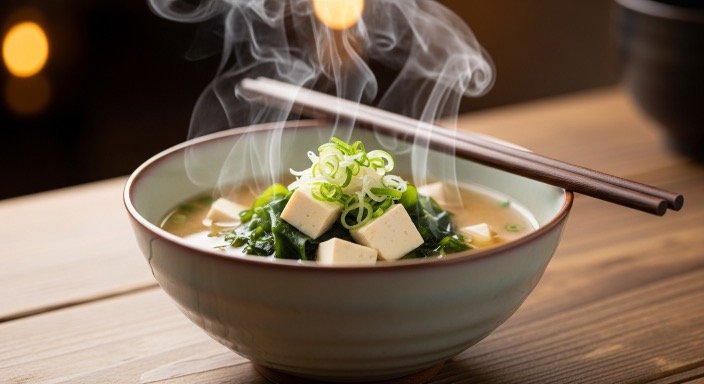
A Japanese soybean paste used in soups and marinades. Miso adds umami depth and offers probiotics for gut health.
29. Mizuna (Vegetable / Leafy Green)
Foods that start with M
Foods that start with M
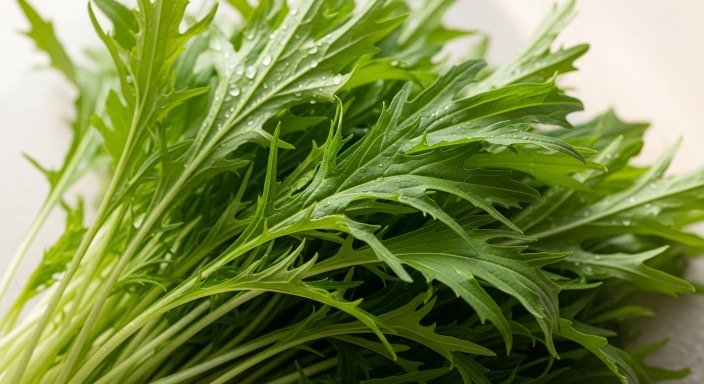
A mild mustard green used in salads and stir-fries. Mizuna is rich in antioxidants and folate — perfect for light, nutritious meals.
30. Mole (Sauce / Mexican Cuisine)
A rich sauce made from chili peppers, chocolate, and spices. Mole is a Mexican culinary masterpiece balancing sweetness and heat.
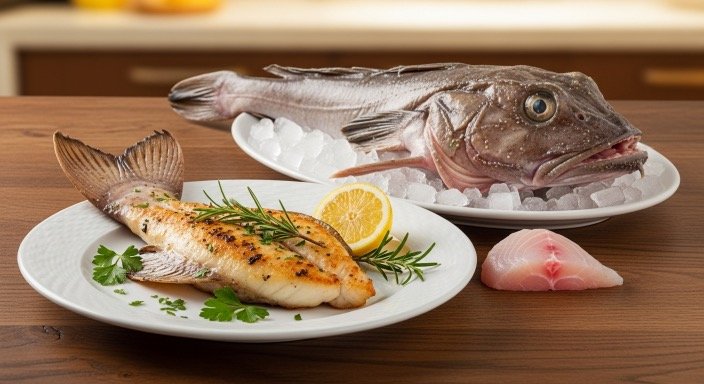
31. Monkfish (Seafood / White Fish)
Foods that start with M
Foods that start with M
Firm and meaty, monkfish is often compared to lobster. It’s low in fat but rich in protein and vitamin B12.
32. Moringa (Vegetable / Superfood)
Also called the “miracle tree,” moringa leaves are nutrient-dense and packed with antioxidants, vitamins, and amino acids.
33. Mortadella (Meat / Cold Cut)
An Italian cured sausage made with finely ground pork and spices, similar to bologna but more delicate in flavor.
34. Muesli (Grain / Breakfast Blend)
A mix of rolled oats, dried fruits, and nuts. Muesli is a wholesome, high-fiber breakfast that fuels your day.
35. Muffin (Baked Good / Dessert)
Soft, moist, and versatile, muffins come in endless flavors — from blueberry to bran — combining comfort with nutrition.
36. Mulberry (Fruit / Berry)
Dark, juicy berries known for their sweet-tart taste and high vitamin C and iron content. Excellent fresh or in jams.
37. Mung Beans (Legume / Protein Source)
Small green beans rich in plant protein and fiber. Used in soups, sprouts, and curries, they promote heart and gut health.
38. Mushroom (Vegetable / Fungi)
Earthy and savory, mushrooms add umami to countless recipes. They’re low in calories but packed with selenium and B vitamins.
39. Mustard (Condiment / Sauce)
A zesty sauce made from ground mustard seeds and vinegar. Adds heat and flavor to sandwiches, salads, and meats.
40. Mustard Greens (Vegetable / Leafy Green)
Spicy, peppery greens packed with vitamin K and antioxidants. Great for sautéing or adding to soups.
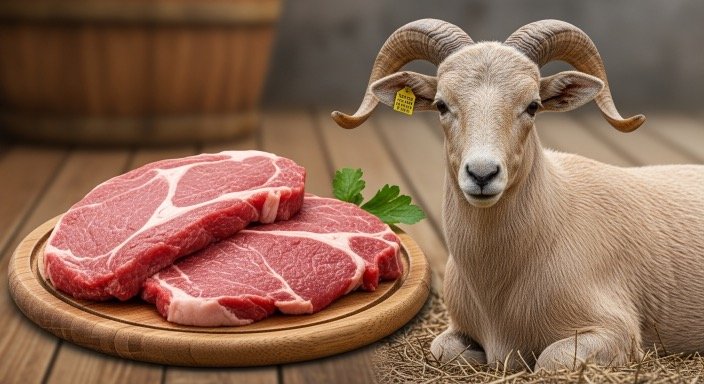
41. Mutton (Meat / Lamb Variety)
Foods that start with M
Foods that start with M
A robust red meat from mature sheep, mutton is flavorful and iron-rich, used in curries and roasts globally.
Health Benefits of “M” Foods
The letter M stands for multinutritional! Here’s why:
- Mango, moringa, and millet boost vitamin and mineral intake naturally.
- Mackerel and monkfish supply omega-3s and lean protein.
- Mint, miso, and mustard greens promote digestion and gut health.
- Macadamia nuts and milk support heart and bone strength.
Together, M-foods provide an incredible balance of flavor, nourishment, and variety.
Fun Food Facts
- The world’s largest macaroni and cheese dish weighed over 2,000 pounds.
- Miso has been a staple in Japan for more than 1,000 years.
- Mango is the national fruit of India and the Philippines.
- Mint leaves were used in ancient Rome to freshen breath before public speeches!
Foods that start with M
Final Thoughts: “M” Means More Flavor, More Nutrition, More Joy
From Mediterranean olive oils to miso soups and mango smoothies, “M” foods remind us that good eating is about color, culture, and creativity. These foods nourish the body and celebrate traditions around the globe.Exploring foods that start with M isn’t just a list exercise — it’s a journey through flavor and heritage. Whether you’re blending a mango lassi, grilling mackerel, or enjoying a slice of Manchego, you’re part of a global table that shares one delicious letter in common.
Foods that start with M
Foods that start with M
