
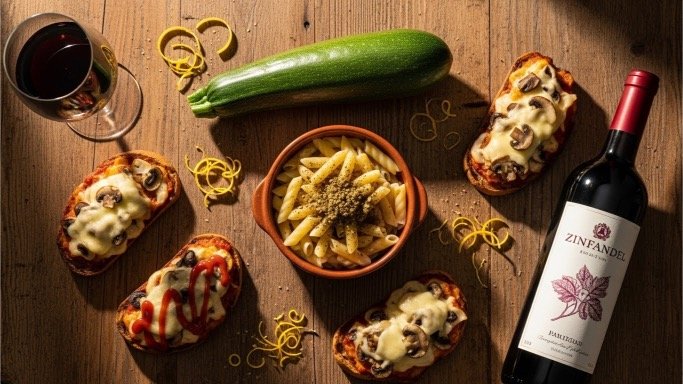
Exploring “foods that start with Z” is like opening a tiny culinary treasure chest filled with global flavors, bold dishes, and ingredients you may not hear about every day. Compared to other letters in the alphabet, “Z” foods are fewer — but they’re some of the most fascinating. From Italian comfort dishes to Polish street food, tropical fruits to Mediterranean herbs, this list brings together delicious, diverse, and culturally rich foods worth discovering.
Whether you’re a curious foodie, a student completing an alphabetical food project, or someone simply expanding your recipe inspiration, you’ll enjoy this flavorful collection of fruits, vegetables, meats, grains, spices, beverages, and more — all starting with the letter Z.
To help you navigate easily, the list is organized alphabetically, and a Quick-Reference Table is included for better readability and search visibility. Let’s explore the world of “Z foods” together.
Quick-Reference Table: “Z” Foods by Category
Below is a simple table covering major categories such as fruits, vegetables, meats, herbs, grains, beverages, spices, oils, nuts, and more.
| Category | Foods Starting with Z |
| Fruit | Zanzibar Apple, Zhe Fruit, Zwetschge (German Plum) |
| Vegetable | Zaatar Leaves, Zucchini, Zizania (Wild Rice Shoots) |
| Meats/Poultry | Zebra Meat, Zampone |
| Seafood | Zander Fish |
| Dairy | Zakuska Cheese Spread, Ziger Cheese |
| Oils | Zaatar Oil |
| Nuts/Seeds | Zedoary Seeds, Ziziphus Seeds |
| Grains | Ziti, Zopf Bread, Zwieback |
| Beans/Legumes | Zapallo Beans |
| Spices/Herbs | Za’atar, Zedoary, Zest (Lemon/Orange), Zhourat Blend |
| Condiments | Zhoug Sauce, Zhug Paste |
| Beverages | Zinger Tea, Zinfandel Wine, Zobo Drink |
| Street Foods/Dishes | Zapiekanka, Zaru Soba, Zoni Soup, Zill Zall, Zarangollo |
A–Z Alphabetical List of Foods That Start With Z
1. Za’atar (Herb Blend)
Za’atar is a Middle Eastern spice blend made from wild thyme, sumac, sesame seeds, and salt. It’s used on bread, poultry, dips, and vegetables. The earthy taste comes from the herb itself, also known as Syrian oregano. Za’atar supports digestion, and its antioxidants make it a staple in Mediterranean wellness traditions.
Check out this article on how to use za’atar spice
2. Zaatar Leaves (Herb)
Zaatar leaves are the fresh, green herb version of the za’atar plant. They offer a peppery, thyme-like flavor and are often added to salads or used as a garnish. Fresh zaatar has stronger aromatic oils than the dried blend.
3. Zaatar Oil (Flavored Oil)
Made by infusing olive oil with za’atar spice or fresh zaatar leaves, this oil adds depth to marinades, dips, or roasted vegetables. It’s vibrant, aromatic, and rich in healthy fats.
4. Zabaglione (Dessert)
An Italian dessert featuring whipped egg yolks, sugar, and sweet wine (often Marsala). Zabaglione is airy and luscious — served warm or chilled. It’s a great choice for anyone wanting a simple yet elegant treat.
5. Zabořský Koláč (Pastry)
A Czech sweet pastry filled with fruit, poppy seeds, or cheese. The dough is soft and pillowy, often topped with a buttery crumb layer.
6. Zacusca (Spread)
A Romanian vegetable spread made from roasted eggplants, red peppers, tomatoes, and onions. It’s perfect on bread or crackers and offers smoky, savory notes.
7. Zader (Fruit Beverage)
A Middle Eastern fermented fruit drink made from apples or grapes. It has a tangy, refreshing taste similar to cider.
8. Zaghwan Cake
A Tunisian dessert prepared with almonds, pistachios, and rosewater. Its floral notes pair beautifully with mint tea.
9. Zainab’s Fingers (Pastry)
A Middle Eastern sweet shaped like slender cylinders of dough stuffed with nuts and drizzled with syrup. Sweet, crunchy, and aromatic.
10. Zaki (Fruit)
A lesser-known African fruit with a tart, citrus-like taste. Enjoyed fresh or juiced.
11. Zako (Snail Dish)
A traditional Central African dish made with snails simmered in spiced broth.
12. Zala Butter (Dairy)
A handcrafted European butter known for its silky, rich flavor. Perfect on warm bread or melted over vegetables.
13. Zander (Fish/Seafood)
A freshwater fish similar to pike-perch. Mild, white flesh makes it excellent for grilling or pan-frying.
For recipes involving mild fish, you could easily adapt techniques seen on RecipeLastMinute.com, especially for quick weeknight meals.
14. Zangi (Japanese Fried Chicken)
A Hokkaido specialty, Zangi is marinated chicken fried to crisp perfection. It’s similar to karaage but seasoned differently. Savory and irresistible.
15. Zapallo (Squash/Vegetable)
A South American squash with a slightly sweet, nutty flavor. Used in stews, purées, and even desserts.
16. Zapallo Beans (Legumes)
These beans are known for their high fiber content and earthy flavor. They work well in soups and slow-cooked dishes.
17. Zapiekanka (Polish Street Food)
A must-try “Z” dish — it’s a long baguette topped with mushrooms, cheese, scallions, and ketchup. Poland’s answer to pizza, but with more personality. Crisp, satisfying, and wildly popular.
18. Zarda (Rice Dessert)
A Pakistani sweet rice dish with cardamom, nuts, and saffron. Colorful, fragrant, and typically prepared during celebrations.
19. Zareb (Seasoned Meat Dish)
A Middle Eastern slow-cooked meat dish prepared in an underground pit. The result is tender, smoky, and deeply flavorful.
20. Zaru Soba (Noodles)
Cold Japanese soba noodles served with dipping sauce. Light, refreshing, and perfect for warm weather.
21. Zastava (Cheese Variety)
There are regional cheeses named Zastava, known for being soft, mild, and easily spreadable.
22. Zatar Bread (Flatbread)
Warm bread baked with za’atar and olive oil. Perfect for breakfast or snack time.
23. Zayde’s Pickles (Condiment)
A classic deli-style pickle variety with a balanced tang and crunch.
24. Zedoary (Spice/Root)
A root similar to turmeric, with citrusy notes and medicinal properties. Common in Indian and Thai cooking.
25. Zedoary Seeds (Seeds)
Used as a spice in some Southeast Asian dishes. Earthy, peppery flavor.
26. Zefir (Confection)
A Russian marshmallow-like dessert made with fruit purée and egg whites. Soft and airy.
27. Zemplén Apple (Fruit)
A Hungarian apple variety known for being crisp and juicy.
28. Zenzi (Drink)
A plant-based beverage made from fermented grains, common in rural Asian regions.
29. Zest (Citrus Peel)
Essential in baking and cooking, zest adds bright flavors to desserts, dressings, and marinades.
30. Zhe Fruit (Fruit)
A rare, mulberry-like fruit native to East Asia with a rich berry flavor.
31. Zigni (Eritrean Stew)
A spicy meat stew flavored with berbere. Bold, aromatic, and served with injera.
32. Zig Zag Vine Fruit
An Australian rainforest fruit with a tangy, tropical flavor.
33. Ziger Cheese (Dairy)
A Swiss whey cheese with a mild taste. Excellent in pastries and spreads.
34. Zill Zall (Soup)
A Middle Eastern vegetable soup seasoned with herbs and spices.
35. Zinfandel (Wine/Beverage)
A bold, fruity wine made from Zinfandel grapes.
36. Zinger Tea (Beverage)
A warming tea typically made with ginger, lemon, and honey. Soothing and invigorating.
37. Ziti (Grain/Pasta)
A classic tube-shaped Italian pasta used in baked ziti, casseroles, and hearty dishes.
38. Zizania (Wild Rice Shoots)
Young shoots of wild rice used as a vegetable. Nutty, grassy, and full of minerals.
39. Ziziphus Fruit (Fruit)
Also called jujube, sweet when dried, crisp when fresh.
40. Ziziphus Seeds (Seeds)
Used in herbal teas and traditional medicine.
41. Zlom (Bread)
A Balkan bread type with a dense, rustic texture.
42. Zobo Drink (Beverage)
A hibiscus-based African drink, sweet, tart, and rich in vitamin C. Bright red and refreshing.
43. Zoni (Soup)
A Japanese New Year soup with mochi, vegetables, and broth. Comforting and symbolic.
44. Zopf (Grain/Bread)
A braided Swiss bread often eaten on Sundays. Egg-enriched and lightly sweet.
45. Zserbó Szelet (Cake)
A Hungarian layer cake made with chocolate, walnuts, and jam.
46. Zucchini (Vegetable)
A versatile squash used in soups, salads, bakes, and even desserts.
47. Zucchini Blossoms (Vegetable)
Delicate flowers often stuffed with cheese and fried. Light and elegant.
48. Zunda Mochi (Dessert)
A Japanese sweet made from mochi topped with sweetened edamame paste.
49. Zwieback (Bread/Grain)
A toasted sweet bread, often eaten as a snack or used in baking recipes.
50. Zwetschge (Fruit/Plum)
A German plum variety used in cakes, jams, and sauces. Tart and wonderful in desserts.
The bottom line
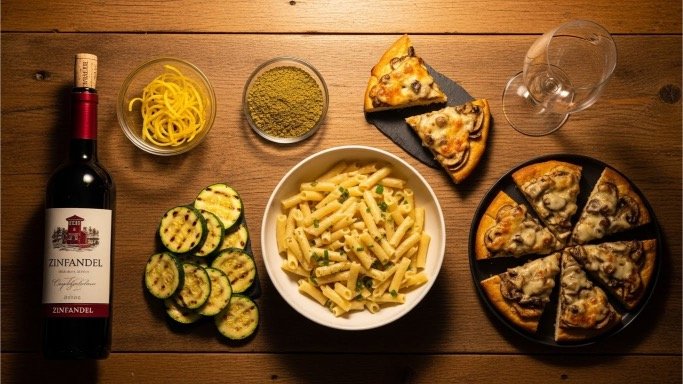
From street foods to fruits, beverages to spices, “Z foods” represent a rich snapshot of culinary traditions from around the world. While fewer in number, these foods bring bold flavors, cultural history, and nutritional value worth exploring. Whether you’re cooking dinner, learning about global cuisines, or expanding your alphabetical food knowledge, this list offers a delicious starting point.