
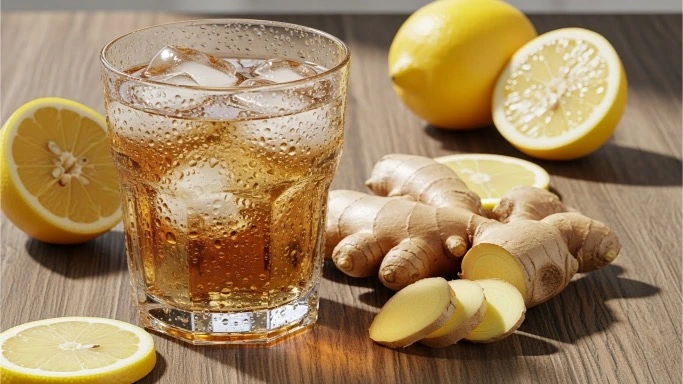
Is ginger ale good for you
Ginger ale is one of those drinks many people turn to when their stomach feels off, when they want something fizzy but not as strong as cola, or when they simply love that sweet ginger flavor. But here’s the big question — is ginger ale actually good for you, or is it just another sugary soda wearing a “healthier” disguise?
The answer is more layered than a simple yes or no. Ginger itself can offer real digestive and anti-nausea benefits, and it’s been used in natural medicine for centuries. But most commercial ginger ales contain very little — often none — of the real ginger that people expect. What they do contain is added sugar, natural flavors, carbonated water, and sometimes high-fructose corn syrup.
In this complete breakdown, we’ll take a deep, honest look at ginger ale nutrition, benefits, risks, and what the label really means. We’ll also explore how ginger ale compares to real ginger, healthier alternatives, and whether you should drink it when you’re sick.
Let’s get into the complete answer.
Is Ginger Ale Healthy? The Short Answer
No — most commercial ginger ale is not considered a healthy drink.
It’s essentially a sweetened soda that may contain flavorings from ginger but does not deliver the nutrition or benefits of the real root.
Ginger ale’s “healthy” reputation comes from what ginger can do — ease nausea, reduce digestive discomfort, and soothe the stomach. But those effects come from real ginger, ginger tea, or ginger supplements… not typically from store-bought ginger ale.
To understand why, we need to look at what ginger ale contains and how it affects the body.
What’s Actually in Ginger Ale? (Nutrition Breakdown)
Most major brands include:
- Carbonated water
- High-fructose corn syrup or cane sugar
- Natural flavors (often including ginger flavor, not real ginger)
- Citric acid
- Caramel color
- Preservatives
A standard 12-ounce can has:
- 140–150 calories
- 35–39 grams of sugar
- 0 grams of protein
- 0 grams of fiber
- Minimal vitamins or minerals
According to Harvard T.H. Chan School of Public Health, beverages this high in added sugar contribute to inflammation, weight gain, and higher risk of metabolic issues.
So while ginger ale may settle the stomach due to its carbonation — or placebo effect — it’s not a nutrient-rich drink, nor is it something that should be considered a health beverage.
Does Ginger Ale Contain Real Ginger?
Here’s where things get interesting.
Most commercial brands contain little to no real ginger.
Their “ginger flavor” is usually a combination of natural flavorings, not the actual root.
Some smaller craft brands use real ginger, and their ingredient panels will clearly show:
- Ginger extract
- Ginger root
- Fresh ginger
But the major supermarket brands often don’t.
This means:
- You’re not getting meaningful anti-inflammatory benefits
- You’re not getting meaningful digestive benefits
- You’re not getting antioxidants or gingerols (the compounds responsible for ginger’s health effects)
If you want real ginger benefits, the better choices would be:
- Ginger tea
- Ginger shots
- Fresh ginger in cooking
- Homemade ginger ale
- Ginger nutrition articles
Does Ginger Ale Help With Nausea?
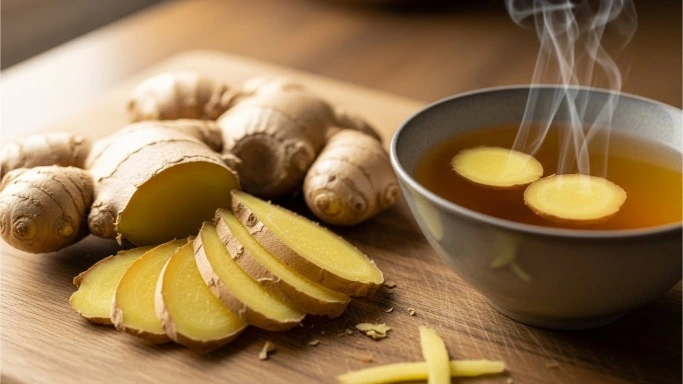
This is one of the biggest reasons people drink it.
It may help — but often not because of ginger.
The carbonation can help reduce stomach pressure, and sipping a mild, sweet drink can be soothing. But studies show that real ginger (not ginger flavoring) is what actually reduces nausea.
For example, research shared by the National Institutes of Health highlights that ginger supports nausea relief during pregnancy, motion sickness, and indigestion — but again, ginger ale only delivers this if it contains actual ginger extract.
If nausea relief is the goal:
- Use real ginger tea
- Try ginger chews
- Use fresh ginger
- Consider small doses of ginger extract
Is Ginger Ale Better Than Cola?
Not really — the nutritional differences are small.
Both are:
- High in sugar
- Low in nutrients
- Acidic
- Not beneficial for hydration
The only slight advantage is that ginger ale’s flavoring is less intense, making it more tolerable during stomach discomfort. But nutritionally, it’s still processed sugar-sweetened soda.
Types of Ginger Ale — Which One Is Better?
1. “Dry” Ginger Ale
Milder, crisper flavor. Usually just as sugary as regular soda.
2. “Golden” Ginger Ale
Spicier and closer to real ginger flavor, but still high in sugar.
3. “Craft” Ginger Ale
Often contains real ginger root or ginger extract.
Better if you’re seeking real ginger benefits — but still sugary.
4. Diet Ginger Ale
Sugar-free, but contains artificial sweeteners such as aspartame or acesulfame potassium.
Artificial sweeteners may cause:
- Digestive issues
- Bloating
- Headaches
- Increased sugar cravings
They don’t make ginger ale a “healthy drink,” but they do reduce sugar intake.
Ginger Ale vs. Real Ginger: A Huge Difference
If you want the benefits associated with ginger — digestive balance, anti-inflammatory support, antioxidant protection — choose:
- Fresh ginger
- Ginger tea
- Ginger shots
- Homemade ginger syrup
- Ginger-infused water
Can Dogs Drink Ginger Ale?
This is important for pet owners.
No — dogs should not drink ginger ale.
It contains sugar, carbonation, and chemicals that may upset your dog’s stomach. If your dog needs ginger for health reasons, only real ginger in safe doses should be used.
For related reading, check out: Can Dogs Have Ginger?
Ginger Ale and Sugar: Where Things Go Wrong
With up to 10 teaspoons of sugar per can, ginger ale contributes to:
- Blood sugar spikes
- Weight gain
- Tooth decay
- Fatigue after sugar crashes
- Increased inflammation
Sugar-sweetened beverages rank among the top contributors to added sugar intake in the U.S., according to the CDC.
If you enjoy ginger ale, treat it as an occasional indulgence, not a daily beverage.
Is Ginger Ale Hydrating?
Not really.
While it contains water, its sugar content and acidity mean:
- It isn’t ideal for hydration
- It may worsen dehydration
- It shouldn’t replace water or electrolyte drinks
If you’re sick or dehydrated, herbal ginger tea or diluted ginger-infused water is a better choice.
Healthier Alternatives to Ginger Ale
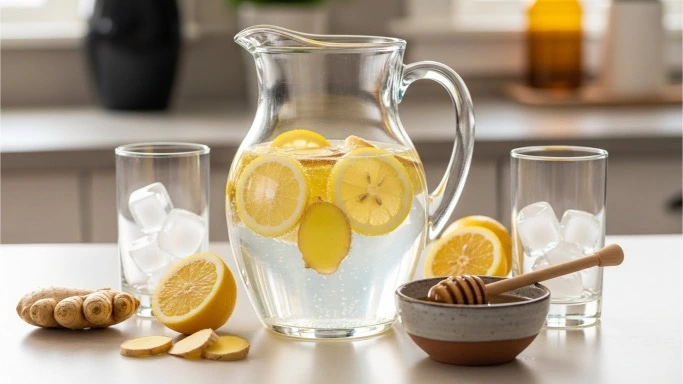
If you love ginger ale but want something healthier, try these options instead:
✔ Real Ginger Tea
Steep fresh ginger in hot water.
✔ Ginger-Infused Sparkling Water
Add slices of fresh ginger to sparkling mineral water.
✔ Homemade Ginger Ale
A healthier version made with fresh ginger, honey (optional), lemon, and carbonated water.
Read the full recipe here.
✔ Real Ginger Shots
Concentrated ginger with lemon — ideal for nausea and immunity.
These do not contain the excess sugar found in commercial ginger ale.
How Often Should You Drink Ginger Ale?
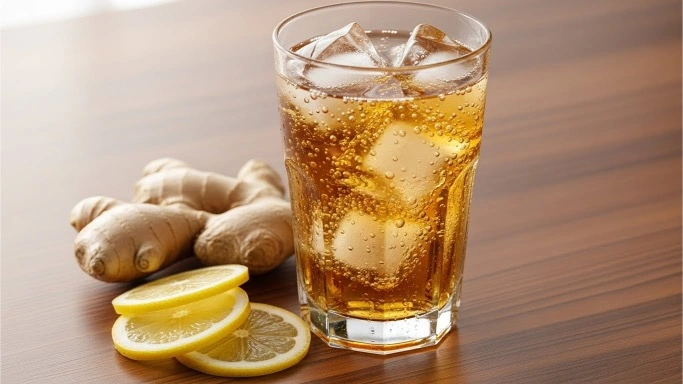
Occasionally is fine. Daily is not ideal.
If you enjoy ginger ale:
- Stick to small servings
- Avoid drinking with meals (this can worsen bloating)
- Don’t rely on it for hydration
- Choose craft brands with real ginger when possible
The Takeaway: Is Ginger Ale Good for You?
Here’s the complete answer in one sentence:
Ginger ale is a tasty soda, but it is not a healthy drink.
Most people believe ginger ale is healthier than it is, but the truth is:
- It contains lots of sugar
- It offers almost no real ginger benefits
- It’s not hydrating
- It should not be used as a daily drink
- It’s fine occasionally — as long as you understand what you’re drinking
If you’re curious about ginger plants, you can explore how to grow your own on LovedPlants.com.