
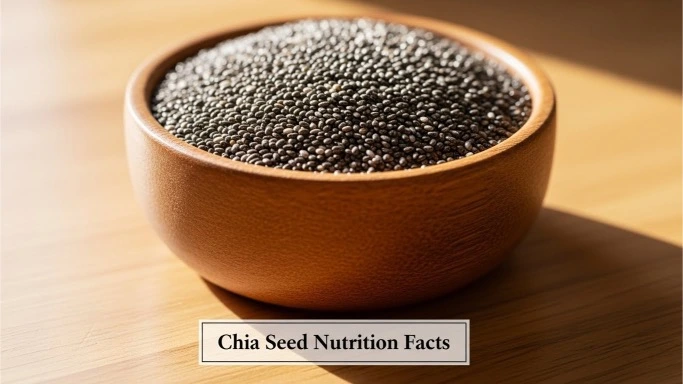
Chia seeds may be tiny, but they quietly deliver some of the most impressive nutrition you can add to your diet. Most people know they’re high in fiber. Some know they contain omega-3s. But when you look closer, chia seed nutrition facts reveal a much deeper story—one that often gets overlooked.
This guide breaks it all down in plain language. No hype. No complicated science talk. Just real, practical information you can actually use.
If you’ve ever sprinkled chia seeds on yogurt or blended them into a smoothie without really knowing what they offer, you’re in the right place.
What Are Chia Seeds?
Chia seeds come from the Salvia hispanica plant, which is native to Central America. They’ve been eaten for centuries, especially by the Aztecs and Mayans, who valued them for sustained energy and endurance.
Today, chia seeds are considered a functional food. That means they don’t just fill you up—they actively support your health in multiple ways.
They’re naturally gluten-free, plant-based, and easy to use. No cooking required.
Chia Seed Nutrition Facts (Per 1 Tablespoon)
Let’s start with the basics. One tablespoon of dry chia seeds (about 12 grams) provides:
- Calories: ~60
- Fiber: ~5 grams
- Protein: ~2 grams
- Fat: ~4 grams
- Omega-3 fatty acids (ALA): ~2,400 mg
- Calcium: ~75 mg
- Magnesium: ~40 mg
- Iron: ~1 mg
That’s a lot of nutrition packed into a small spoonful.
But the real value of chia seeds isn’t just the numbers. It’s how those nutrients work together.
The Fiber Most People Underestimate
Soluble + Insoluble Fiber in One Food
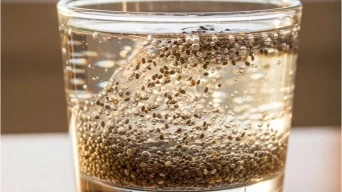
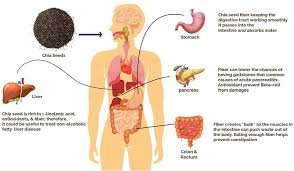
Chia seeds contain both soluble and insoluble fiber. When mixed with liquid, the soluble fiber forms a gel-like texture. This slows digestion and helps you feel full longer.
The insoluble fiber supports gut movement and regular digestion.
Together, they create a powerful combination for digestive health.
Why This Matters
- Helps stabilize blood sugar
- Supports healthy cholesterol levels
- Promotes better gut bacteria balance
- Reduces sudden hunger spikes
If you’re exploring other fiber-rich foods, you might enjoy our guide to foods that start with C, where chia seeds stand out as one of the most nutrient-dense options.
Omega-3 Fatty Acids: Not Just for Fish Eaters
Most people associate omega-3s with salmon or sardines. But chia seeds are one of the best plant-based sources of ALA (alpha-linolenic acid).
What Makes This Important?
ALA supports:
- Heart health
- Brain function
- Reduced inflammation
For vegetarians or anyone who doesn’t eat much fish, chia seeds help fill an important nutritional gap.
According to research shared by the AHA Journals, plant-based omega-3s still play a meaningful role in cardiovascular health when consumed consistently.
Protein Content: Small but Powerful
Chia seeds don’t compete with meat or eggs in protein quantity, but they shine in protein quality.
They contain all nine essential amino acids, making them a complete protein source—something rare in plant foods.
Why This Matters
- Supports muscle repair
- Helps maintain steady energy
- Enhances satiety when combined with fiber
This makes chia seeds especially useful for breakfast bowls, smoothies, and plant-based meals.
Minerals People Rarely Talk About
Calcium (Without Dairy)
One tablespoon of chia seeds contains more calcium per gram than milk.
This supports:
- Bone strength
- Muscle function
- Nerve signaling
Magnesium for Calm and Balance
Magnesium helps regulate:
- Muscle relaxation
- Sleep quality
- Stress response
Many adults fall short on magnesium intake, making chia seeds a simple way to help close the gap.
Iron for Plant-Based Diets
Chia seeds provide non-heme iron, which supports oxygen transport in the body. Pairing them with vitamin C-rich foods can improve absorption.
Antioxidants: The Silent Protectors
Chia seeds contain natural antioxidants that help protect fats from oxidation. This matters because healthy fats are sensitive to damage.
Antioxidants support:
- Cell protection
- Reduced oxidative stress
- Long-term heart health
This is one of the most overlooked parts of chia seed nutrition facts, yet it plays a key role in overall wellness.
How Chia Seeds Support Blood Sugar Balance
When chia seeds absorb liquid, they slow how quickly carbohydrates are digested. This helps prevent sharp blood sugar spikes after meals.
Research discussed by Harvard T.H. Chan School of Public Health suggests that high-fiber foods like chia seeds support better glycemic control when used consistently.
This makes them a smart addition for people watching blood sugar levels.
How Much Chia Should You Eat Per Day?
Most experts recommend:
- 1–2 tablespoons per day
That’s enough to gain benefits without overloading your digestive system.
Too much too fast can cause bloating, especially if you’re not used to high-fiber foods.
Pro Tip
Always soak chia seeds or mix them into moist foods. Dry seeds can swell before digestion and feel uncomfortable.
Easy Ways to Use Chia Seeds Daily
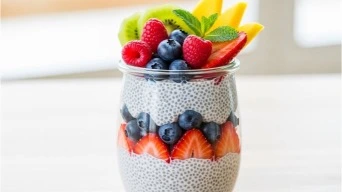
You don’t need fancy recipes. Simple works best.
- Stir into oatmeal or yogurt
- Blend into smoothies
- Make overnight chia pudding
- Sprinkle on salads
- Add to pancake or muffin batter
Chia Seeds vs Other Popular Seeds
Chia vs Flax Seeds
- Chia: no grinding required, more calcium
- Flax: higher lignans, must be ground
Chia vs Hemp Seeds
- Chia: higher fiber
- Hemp: higher protein
Each has benefits, but chia seeds offer one of the most balanced nutrition profiles.
Are Chia Seeds Safe for Everyone?
For most people, yes. But a few precautions help:
- Start small if you’re new to fiber
- Drink enough water
- Avoid eating them dry
According to information from Mayo Clinic, fiber-rich foods are safest when introduced gradually.
Common Questions About Chia Seed Nutrition Facts (FAQ)
Q1: Are chia seeds good for weight loss?
They support fullness and appetite control, which can help when paired with balanced eating habits.
Q2: Do chia seeds need to be soaked?
Soaking improves digestion and comfort, but they can also be mixed into moist foods.
Q3: Are chia seeds keto-friendly?
They’re low in net carbs due to high fiber content, making them suitable for many low-carb diets
Q4: Can kids eat chia seeds?
Yes, in small amounts and properly soaked.
Q5: Do chia seeds go bad?
They have a long shelf life when stored in a cool, dry place.
Why Chia Seeds Deserve More Attention
When you look at chia seed nutrition facts as a whole, it’s clear they offer more than most people realize. Fiber, omega-3s, minerals, antioxidants—all working together in one simple ingredient.
They’re affordable. Easy to use. And flexible enough to fit almost any eating style.
Sometimes the most powerful foods are the quiet ones.
Final Thoughts
Chia seeds don’t need flashy marketing to prove their value. Their nutrition speaks for itself.
If you’re building healthier meals or simply expanding your ingredient knowledge, chia seeds are a smart place to start. Especially if you enjoy learning about foods alphabetically here on FoodThatStartsWith.com.
Small seeds. Big benefits. Real nutrition.