
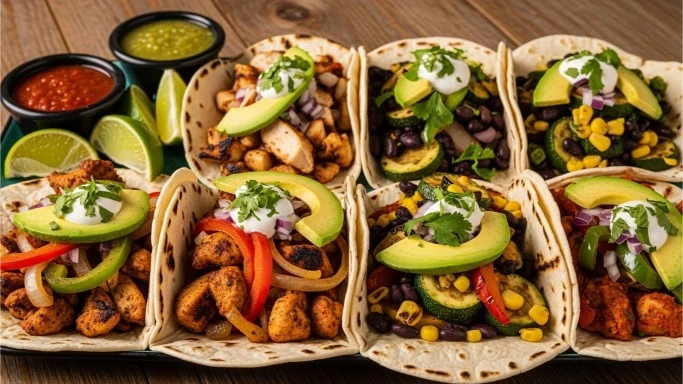
Few foods inspire the same excitement, comfort, and creativity as tacos. They’re simple, customizable, affordable, and endlessly flavorful. Whether you enjoy them filled with grilled vegetables, slow-cooked meats, seafood, or beans, tacos have a way of bringing people together across cultures, ages, and diets.
But beyond taste and tradition, many people now ask a more practical question: Are tacos actually good for you?
The honest answer is yes — they can be, depending on how they’re made. Tacos are not automatically unhealthy. In fact, when built with thoughtful ingredients, they can deliver protein, fiber, healthy fats, vitamins, and minerals in a balanced, satisfying way.
In this guide, we’ll break down:
- Why tacos are so popular
- The nutritional value of tacos
- The health benefits of taco ingredients
- When tacos become less healthy
- How tacos compare to other fast foods
- How to enjoy tacos as part of a balanced diet
By the end, you’ll understand why tacos are more than just comfort food — they’re a flexible, nutrient-friendly meal with deep cultural roots.
A Brief Look at Taco History (Why They’re So Universal)
Tacos originated in Mexico long before they became a global favorite. Early versions used corn tortillas filled with simple ingredients like beans, fish, or small cuts of meat. These meals were practical, nourishing, and easy to eat by hand.
As tacos spread across regions, cultures adapted them using local ingredients. That adaptability explains why tacos exist today in countless forms — from street tacos to gourmet creations.
Their structure is part of the magic:
- A tortilla as the base
- A protein or plant filling
- Fresh toppings
- Optional sauces
That formula makes tacos easy to customize for vegetarian, vegan, gluten-free, high-protein, or low-calorie diets.
What Makes Tacos So Appealing?
People love tacos for several reasons:
1. Customization
Everyone can build a taco that fits their taste and diet.
2. Balance
A single taco often includes carbs, protein, fats, and vegetables.
3. Portion Control
Tacos encourage smaller portions compared to large sandwiches or burritos.
4. Flavor Variety
Spices, herbs, and fresh toppings keep tacos exciting.
5. Cultural Comfort
Tacos feel familiar, celebratory, and social.
This combination explains why tacos rank among the most loved foods worldwide.
Taco Nutrition: The Big Picture
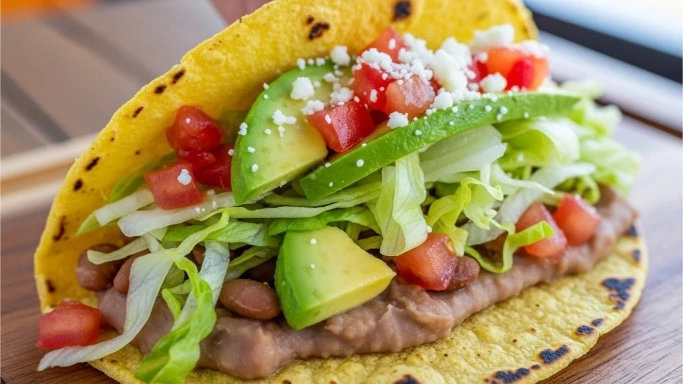
Taco nutrition depends entirely on ingredients. A taco can be:
- Light and nutrient-dense
- Or heavy and calorie-dense
A basic taco may include:
- Tortilla (corn or flour)
- Protein (meat, fish, beans, tofu)
- Vegetables (lettuce, onions, tomatoes)
- Healthy fats (avocado, olive oil, cheese)
When balanced properly, tacos can provide:
- Protein for muscle support
- Fiber for digestion
- Micronutrients from vegetables
- Healthy fats for satiety
According to Harvard Health, meals that combine whole grains, lean protein, and vegetables support better blood sugar control and sustained energy.
Corn vs Flour Tortillas: Which Is Healthier?
Corn Tortillas
- Lower in calories
- Naturally gluten-free
- Higher in fiber
- Made from whole corn
Flour Tortillas
- Softer and larger
- Higher in calories
- Often contain refined flour
Corn tortillas generally support better nutrition, especially for people managing blood sugar or gluten sensitivity.

Protein Choices in Tacos and Their Benefits
1. Beef Tacos
Provide iron, zinc, and vitamin B12. Lean cuts offer protein without excessive saturated fat.
2. Chicken Tacos
Lower in fat and calories. Ideal for lighter meals.
3. Fish Tacos
Rich in omega-3 fatty acids that reduce inflammation and support brain and hearth health.
4. Bean or Lentil Tacos
Excellent plant-based protein with fiber and minerals.
5. Tofu or Tempeh Tacos
Great for vegetarian diets when seasoned well.
Vegetables: The Nutritional Backbone of Tacos
Vegetables elevate tacos from indulgent to nourishing. Common taco vegetables include:
- Lettuce
- Tomatoes
- Onions
- Bell peppers
- Cabbage
- Cilantro
These provide:
- Vitamins A and C
- Antioxidants
- Fiber
Fresh toppings also add crunch and hydration without many calories.
Healthy Fats in Tacos
Not all fats are bad. In tacos, healthy fats help absorb fat-soluble vitamins.
Beneficial taco fats include:
- Avocado
- Olive oil
- Nuts and seeds
- Small amounts of cheese
Avocados provide monounsaturated fats linked to heart health, according to Medical News Today.
Are Tacos Good for Digestion?
Tacos can support digestion when they include:
- Fiber-rich tortillas
- Beans or lentils
- Fresh vegetables
However, tacos heavy in:
- Fried shells
- Excess cheese
- Processed meats
may slow digestion and cause bloating.
Balance matters more than elimination.
When Tacos Become Less Healthy
Tacos lose their nutritional advantage when they include:
- Deep-fried shells
- Large amounts of sour cream
- Excess cheese
- Highly processed meats
These versions raise calorie density without adding nutrients.
Still, even indulgent tacos can fit into a balanced diet when eaten occasionally.
Tacos vs Other Fast Foods
Compared to burgers, fries, or pizza, tacos often offer:
- Smaller portions
- More vegetables
- Fewer refined carbs
Meals rich in vegetables and lean protein support better long-term health than ultra-processed fast foods
How Tacos Fit Into Different Diets
Gluten-Free
Use corn tortillas.
Vegetarian
Use beans, mushrooms, or tofu.
High-Protein
Add grilled chicken, fish, or lean beef.
Low-Calorie
Use lettuce wraps or small corn tortillas.
This flexibility explains taco longevity.
Tacos and Cultural Well-Being
Food isn’t only nutrition. Tacos play a role in:
- Family gatherings
- Celebrations
- Cultural identity
Shared meals improve mental well-being and social connection, which matters just as much as nutrients.
Making Healthier Tacos at Home

If you enjoy cooking, healthier taco recipes allow full control over ingredients. You’ll soon find a detailed guide on RecipeLastMinute.com explaining how to prepare tacos with fresh, simple ingredients.
Homemade tacos often reduce:
- Sodium
- Added fats
- Preservatives
Common Myths About Tacos
. Myth: Tacos are junk food
Truth: Ingredients determine nutrition.
. Myth: Tacos cause weight gain
Truth: Portion size and balance matter.
. Myth: Tacos lack nutrients
Truth: Many tacos include complete macronutrients.
The bottom line
Tacos earn their popularity for good reason. They combine flavor, flexibility, tradition, and nutrition in a way few foods can. When made with thoughtful ingredients, tacos can:
- Support balanced nutrition
- Encourage portion control
- Fit nearly every diet
- Deliver real satisfaction
They aren’t perfect, and they don’t need to be. Tacos work best as part of a varied, mindful eating pattern, not as a daily indulgence.
That balance is exactly why people love tacos — not just for taste, but for how well they fit into real life.
For more food benefits, check out our articles in Nutrition Category.